
Down at the local RSL, the pokies are humming like a hive of angry bees on a hot January afternoon. You slide a tenner in, tap the screen, and hope the digital cherries line up before your flat white goes cold. But behind that flashing screen sits a stack of compliance paperwork that would make a tax accountant weep into his calculator. Register poker machines with jackpot features isn’t just a box-ticking exercise for venue operators; it’s the difference between a rigged-looking contraption and a properly licensed piece of gaming tech that actually pays out when the algorithm says it’s time. The moment you start dealing with progressive pools, network-linked prizes, and state-based licensing, the whole thing turns into a proper maze. You want the thrill of the spin, not a visit from the state gaming inspector with a clipboard and a stern look.
Most punters don’t give a rat’s arse about the backend until the machine refuses to register a win or the jackpot meter mysteriously resets. Then it’s all questions and crossed arms. The truth is, linking a pokie to a jackpot system means ticking off software verification, hardware registration, and jurisdiction-specific approvals before a single coin cycles through the hopper. Whether you’re running a two-machine setup in a Bendigo pub or a whole row of linked terminals in a Perth club, the registration process keeps the whole operation above board. It also protects the punters, which is something we pretend we don’t care about until our own twenty goes missing into the belly of a machine that hasn’t been properly logged with the regulator. Getting the registration right means the jackpot actually triggers, the meters track properly, and nobody ends up in a paperwork nightmare when the auditors roll through.
The Lay of the Land Before You Touch a Single Terminal
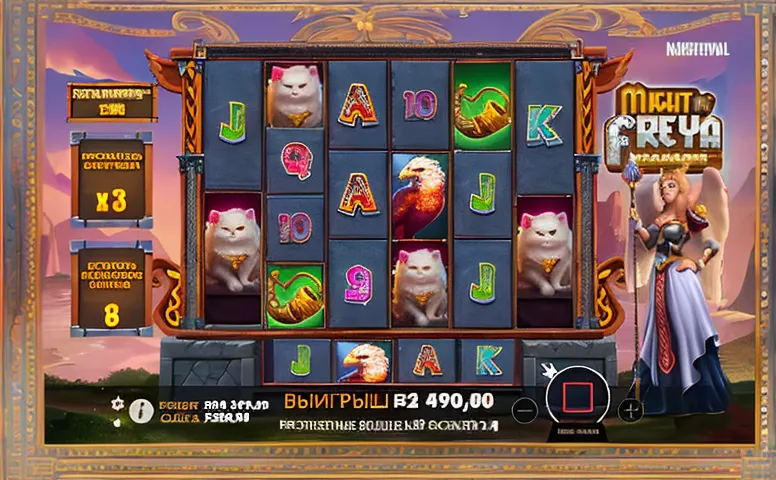
You don’t just plug a pokies cabinet into a power point and call it a day, not if you want the thing legally ticking in a club that serves schooners on tap. Each state runs its own gaming commission, and the rules shift like sand dunes after a coastal storm. Victoria’s gambling regulator wants its own suite of compliance checks, while Western Australia keeps a tighter leash on anything that links machines across venues. The registration process starts with the hardware itself, then moves to the software layer that manages the jackpot pool, and only after that do you get to the fun bit of watching the numbers climb. Skip a step and you’ve got a very expensive coat rack that could land the venue with fines big enough to buy a small car.
Operators who’ve been around the block know the drill: you file the machine specs, the jackpot software version, the payout table, and the network topology if you’re linking terminals across a single venue or a handful of clubs. The paperwork isn’t glamorous, but it’s the backbone of anything that asks a punter to feed cash into a screen. A proper register poker machines with jackpot setup means the machine identity, the software hash, and the prize pool configuration all line up in the regulator’s database before the first spin. Get it wrong and the jackpot might as well be a mirage in the Simpson Desert. The whole point of registration is making sure the machine does what it says it does, and pays when it’s supposed to.
Flat White Chat: Two Mates, One Pokies Problem
“Mate, I’m telling you, that new cabinet at the Bendigo club is a beauty, but the bloke behind the bar said the jackpot link ain’t registered properly yet.”
“Yeah, nah, I’ve seen that before. They slap the screen on, wire up the progressive pool, and forget the compliance step. Next thing you know the meter climbs and the system won’t cough up because the software hash ain’t logged with the state.”
“So what’s the play? Pull the plug and wait?”
“Pretty much. You register the machine, verify the jackpot software, and make sure the network topology matches what’s on the form. Otherwise you’re just running a very flashy donation box.”
How the Jackpot Link Actually Works Under the Hood
A jackpot isn’t magic, even when the screen lights up like a Christmas tree in a lightning storm. The prize pool sits on a server or a linked network, and each machine contributes a sliver of every bet to the pot. When the trigger hits, the system checks the machine’s registered identity, confirms the software version, and releases the payout if the configuration matches what’s been logged with the regulator. That’s why the registration step matters so much: the machine has to be tied to the right pool, with the right meter settings and the right payout rules, before anyone puts a hand in their pocket. A loose cable might make the screen flicker, but a loose registration makes the whole prize system look like a con.
The technical bit gets properly fiddly when you’re dealing with wide-area progressives that stitch together machines across multiple venues. Each terminal has to broadcast its contribution, the central pool has to track the meter, and the regulator wants a paper trail that shows the jackpot trigger isn’t some backroom hack. When operators register poker machines with jackpot capability, they’re essentially telling the authority which software build is running, how the prize accumulates, and what happens when the top prize hits. It’s a bit like registering a car with the right engine and then pretending you can swap in a turbo later without telling anyone. The paperwork keeps the whole contraption honest, and honesty matters when real money is on the line.
The Paperwork That Keeps the Auditor From Crying
You’d think a machine that flashes neon and sings little tunes would be all about spectacle, but the real story is in the compliance folder. Operators file the machine registration, attach the software certification, list the jackpot parameters, and keep a record of every configuration change. In most jurisdictions, that means a trail that starts at installation and keeps running through every software patch, every meter adjustment, and every network link you add. The state gaming commission doesn’t care how shiny the cabinet is; they care that the registered specs match what’s sitting on the floor. Miss a signature or file the wrong software version, and you’ve got a machine that’s technically playing by its own rules.
The practical side of it is less glamorous than the flashing lights but far more important for anyone running a venue. You want the registration to cover the hardware serial, the jackpot software build, the payout table, and the network configuration if you’re linking machines. That way, when a punter hits the top prize, the system can prove the machine was properly registered, the pool was correctly configured, and the payout follows the rules on file. It’s the same sort of diligence you’d expect when you’re sorting out a mortgage, except the collateral here is a row of cabinets and a reputation that takes years to build. A sloppy register poker machines with jackpot process is a fast track to headaches you don’t want on a Tuesday afternoon.
Joe Fortune and the Bigger Players in the Room
If you’re looking at who’s doing the registration dance properly across the Australian market, Joe Fortune sits near the top of the list for operators who treat compliance like it’s part of the product, not a nuisance. The platform’s approach to linking jackpot-capable machines, verifying software builds, and keeping the registry tidy has made it a reference point for venues that want the flashing lights without the paperwork nightmare. You’ll find similar setups across the bigger operators, but the ones that stay out of trouble are the ones that treat the registration step as a living process, not a one-off form you shove in a drawer and forget.
That kind of operational rigour is exactly what regulators are pushing for across the continent, setting a benchmark that others are desperate to match. When competitors step up their game, the whole industry benefits from a clearer, safer betting environment for everyone involved. You can see how this shift is being discussed in local media reports.
The comparison below gives a quick snapshot of how the market leaders line up when it comes to jackpot-linked machines and the registration side of things. It’s not a beauty contest; it’s a practical look at who’s got the process sorted and who’s still figuring out which form goes where.
Joe Fortune keeps the registration trail tight, with clear software versioning and a jackpot configuration that matches what’s on file with the state regulator. That kind of discipline matters when the prize pool climbs and the auditors want to see a clean line from the machine to the payout. Other operators do the job too, but the ones that make the list are the ones that can show a proper registry entry for every linked machine, not just a shiny cabinet and a vague promise that the system is compliant. When you’re weighing up where to put your money or which venue to trust with a progressive setup, the registration record is the bit that separates a proper operation from a cowboy setup.ozwin reviews
Picking a Setup That Won’t Give You Nightmares
The smart move is to treat the registration as part of the purchase, not an afterthought you handle when the regulator sends a letter. You want a machine that comes with a clean software certificate, a jackpot configuration that matches the pool you’re linking to, and a registry process that doesn’t require a degree in bureaucracy to decipher. Operators who’ve been through the wringer will tell you that a proper register poker machines with jackpot setup saves more grief than it costs in paperwork. The alternative is a machine that looks gorgeous, flashes like a disco ball, and then refuses to cough up because the registry entry and the software build don’t match. That’s the kind of headache that turns a quiet Tuesday into a long afternoon with inspectors and a very expensive paperweight.
For punters, the registration side is invisible, which is exactly how it should be. You shouldn’t have to think about compliance when you’re tapping a screen and hoping the meter climbs, but the reason the jackpot pays is because someone did the boring bit properly. A clean registry means the machine is tied to the right pool, the software is certified, and the payout rules are locked in. That’s the sort of setup you want behind the flashing lights, whether you’re in a country pub outside Ballarat or a city club with a row of linked terminals. The good news is that the reputable operators make the whole thing look effortless, which is the highest compliment you can pay to a compliance process that’s actually working.
The Bottom Line on Getting It Done Properly
Registration isn’t the sexy part of the pokies business, в нашей экосистеме but it’s the bit that keeps the whole operation from folding like a cheap deck chair in a coastal gale. When you register poker machines with jackpot capability the right way, you’re tying the hardware, the software, and the prize pool to a record that the regulator can actually read. That means the jackpot triggers when it should, the meters track properly, and the venue doesn’t end up explaining itself to a government official with a very stern expression. The punters get a clean spin, the operators get a clean conscience, and the whole thing keeps running without turning into a paperwork swamp.
If you’re sorting out a venue setup or just trying to figure out which operators are doing the job properly, it pays to check the registry trail before you get starry-eyed over a cabinet that lights up like a fireworks display. A quick look at ozwin reviews can point you toward operators who treat the registration side with the respect it deserves, rather than ones that treat compliance like a suggestion. The machines that pay are the ones that were registered properly in the first place, and that’s a truth as steady as a good cuppa on a hot afternoon.