
Best eSIM Data Plans for Global Travel in 2025
Tired of swapping physical SIM cards or hunting for local providers when you travel, an eSIM data plan offers a fully digital alternative that activates instantly. It works by downloading a small profile directly onto your device’s embedded chip, which you manage through your phone’s settings without needing a plastic card. The main benefit is seamless connectivity, allowing you to switch between multiple data profiles on the same device for different regions or carriers. To use it, simply purchase a plan online, scan a QR code or enter activation details, and your data service begins immediately.
Understanding the Shift from Physical SIM to Embedded SIM Technology
The shift from a physical SIM to embedded SIM (eSIM) technology fundamentally changes how a user manages an eSIM data plan. Instead of inserting a plastic card that is locked to one network, an eSIM is a permanent chip built into the device that stores multiple carrier profiles. Activating an eSIM data plan involves scanning a QR code or downloading a profile from a carrier, removing the need to wait for a physical card to ship. This allows users to switch between providers for data while retaining their primary number, or to store several active data plans on a single device. The core practical benefit is immediate, remote provisioning of mobile data, which eliminates the logistical hurdle of physically swapping SIMs when traveling or changing services for your eSIM data plan.
How Embedded SIMs Differ from Traditional Plastic SIM Cards
The fundamental difference is that an embedded SIM (eSIM) is a soldered chip, not a removable plastic card. This eliminates the need to physically swap cards when changing a data plan; instead, you download a new carrier profile directly to the device. Traditional plastic SIMs lock you to one network at a time, whereas eSIM data plans allow you to store multiple profiles and switch between them in seconds via software menus. Unlike plastic cards, which wear out from insertion and require storage, the eSIM is tamper-proof and frees up physical space for smaller device designs. This hardware integration makes the eSIM inherently more reliable for frequent profile changes than its plastic predecessor.
Q: How does the eSIM’s lack of physical access change how I manage my data plan? A: Instead of waiting for a card to arrive or finding a store, you activate, swap, or delete data plans entirely through digital software menus, directly on your device, with no physical component to handle or lose.
The Rise of Remote Provisioning and Instant Connectivity
Remote provisioning has shattered the old cycle of waiting for a physical SIM card, letting you activate an eSIM data plan in seconds directly from your device. Instead of hunting for a local store at your destination, you scan a QR code or tap a carrier app while still at the gate. This instant connectivity means your phone connects to a local network the moment you land, bypassing roaming delays and costly temporary solutions. For international travelers, this translates to seamless access—you can download a data plan before boarding, swap profiles on the fly, and stay online without swapping tiny plastic cards.
Why Mobile Users Are Switching to a Digital SIM Solution
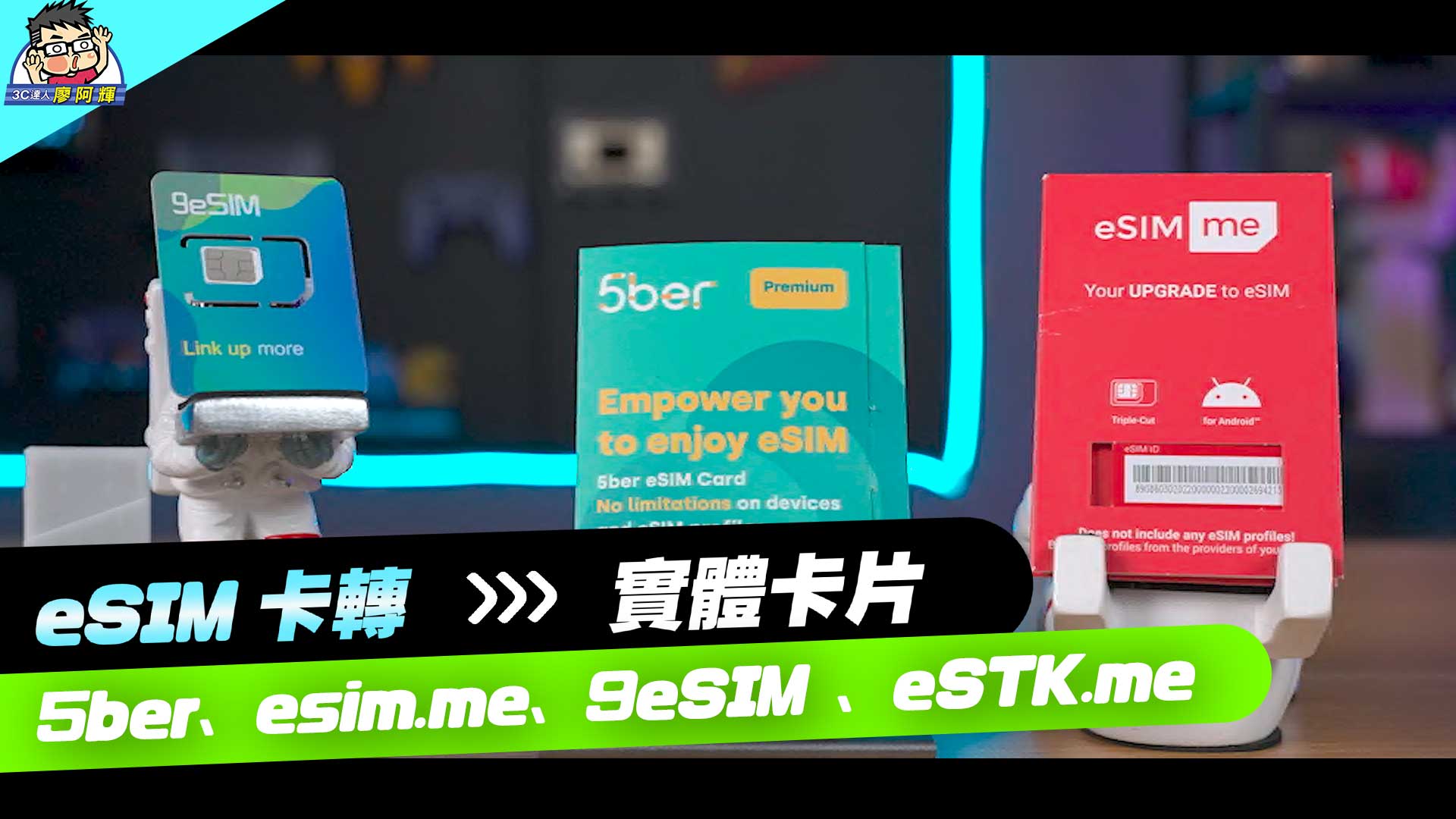
Mobile users are switching to a digital SIM solution primarily to eliminate physical card handling, allowing instant activation of an eSIM data plan without waiting for a plastic SIM to arrive. This shift removes the hassle of juggling multiple nano-SIMs when traveling or switching carriers, as users can store several profiles on one device and toggle between them in settings. The convenience of provisioning a new data plan remotely, without needing a store visit or tool to eject a tray, streamlines connectivity for frequent travelers and remote workers. Additionally, embedded SIMs free up physical space in devices, enabling sleeker designs or larger batteries.
- No more lost or damaged physical SIM cards during travel
- Instant network switching by scanning a QR code or using an app
- Ability to keep a primary number active while adding a temporary data plan
- Reduced environmental waste from plastic card production and packaging
Key Benefits of Choosing a Virtual SIM for Travel and Daily Use
Choosing a virtual SIM for travel and daily use eliminates the hassle of physical SIM swaps, allowing instant activation of an eSIM data plan before you even board your flight. You can maintain your primary number active while running a separate eSIM data plan for high-speed local connectivity, avoiding expensive roaming fees. This dual-profile capability ensures seamless switching between work and personal data usage without carrying multiple devices. For daily commuters, a single eSIM data plan can automatically connect to the strongest local network, reducing dropped calls in transit. You retain full control over your data spend, topping up or switching providers directly from your phone—no store visits required.
Cost Savings with Local and Regional Data Packages
Using an eSIM lets you bypass expensive roaming by snagging a local data package for each country you visit, often cutting your bill by more than half compared to your home carrier’s daily rate. For multi-country trips, a regional data package bundles several nations together at a fraction of the cost of buying separate local SIMs. This flexibility means you only pay for what you actually use, avoiding hidden overage fees. The regional data bundles provide huge savings for travelers hopping between nearby countries.
Eliminating Roaming Charges While Abroad
Eliminating roaming charges abroad is a primary advantage of an eSIM data plan. You bypass your home carrier’s expensive international rates by activating a local or regional data plan directly on your device. Roaming fees vanish because you connect to foreign networks as a local subscriber, often paying pennies per gigabyte instead of dollars. To achieve this:
- Purchase an eSIM plan from a provider for your destination before or upon arrival.
- Install the eSIM profile via a QR code or app.
- Activate the data line and disable your physical SIM’s roaming.
There is no need to swap physical cards or endure surprise charges. The cost is fixed upfront, allowing you to use navigation, messaging, and browsing freely without financial anxiety.
Managing Multiple Profiles on a Single Device
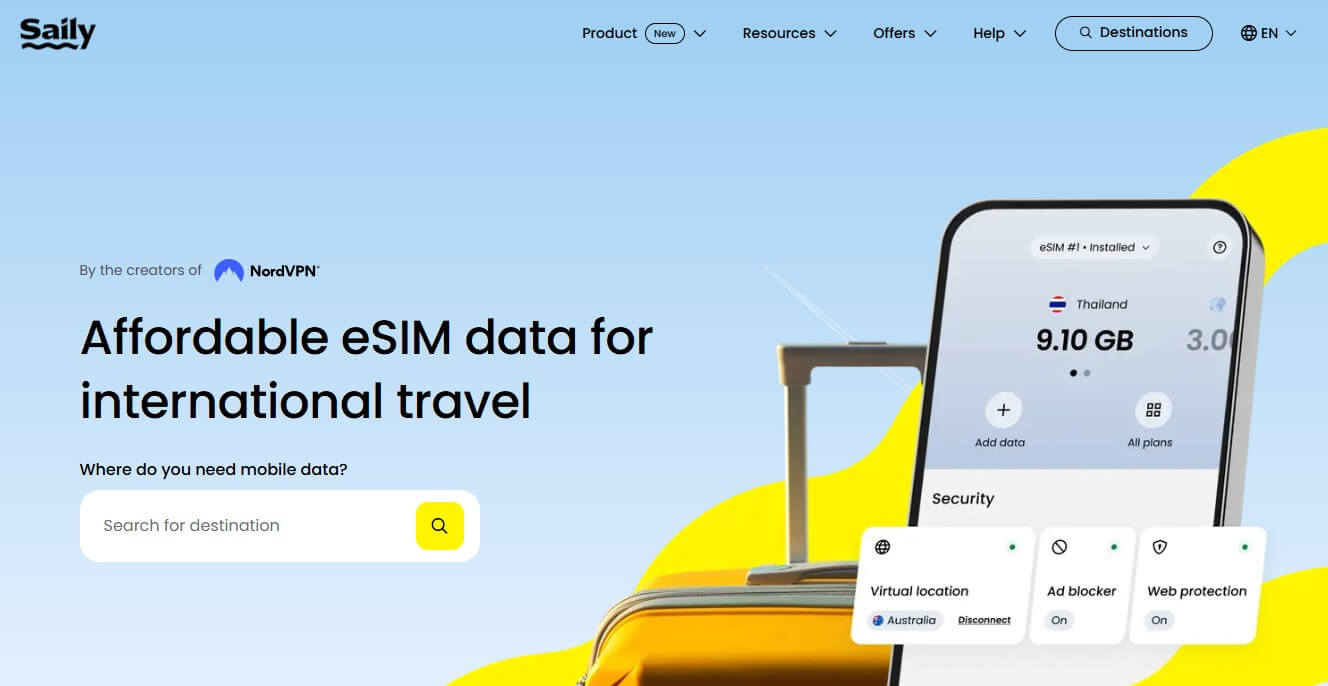
A virtual SIM via an eSIM data plan allows you to manage multiple profiles on a single device without swapping physical cards. You can store separate plans for work, personal use, and travel, each with its own number and data allowance, and switch between them through your device’s settings. This eliminates the need to carry multiple phones or juggle tiny SIMs. For travelers, keeping a home profile active for banking while adding a local data plan abroad ensures seamless connectivity. Profiles can be labeled, reordered, or deleted instantly, giving you granular control over which line handles voice, SMS, or data traffic at any moment.
Top Factors to Consider When Selecting a Mobile Data Package
When picking an eSIM data plan, first check device compatibility—your phone must be unlocked and support eSIM tech. Next, prioritize data allowance versus your actual usage; heavy streamers need more GBs than casual browsers. Key factor: always verify coverage maps from your chosen eSIM provider for your travel destinations. For example, Q: Is a regional plan better than a global one? A: Absolutely—regional plans often offer cheaper rates and more data for a specific continent, avoiding overpaying for unused worldwide coverage. Also, compare validity periods: short trips suit weekly plans, while extended stays benefit from monthly options. Finally, read activation steps—some eSIMs need a QR code scan before departure, others activate upon arrival. Avoid plans with hidden throttling after a set data cap.
Coverage Area and Network Compatibility Across Countries
When selecting an eSIM data plan, cross-border network compatibility directly determines connectivity reliability. Coverage area must be verified against specific countries on your itinerary, as not all eSIMs support every nation. Multi-network plans that roam across multiple local carriers offer broader geographic reach than single-operator profiles. Additionally, ensure the eSIM supports the required frequency bands (e.g., LTE/5G bands) used in your destination countries; incompatible bands cause no service even with a coverage match. Checking operator partnerships for each target country is critical to avoid dead zones during travel.
Coverage area and network compatibility across countries hinge on verifying carrier partnerships and frequency band support for each specific destination, not just regional claims.
Data Allowance, Speed Throttling, and Fair Usage Policies
When picking an eSIM data plan, always check the data allowance and throttling terms first. Some plans offer a huge high-speed bucket, then slow your connection to near-useless 2G speeds after you hit the cap. Others enforce a fair usage policy (FUP), which can throttle or cut off service if you exceed a hidden limit on certain activities like streaming or tethering. Make sure you know exactly when throttling kicks in and how slow the reduced speed will be—otherwise, that “unlimited” plan might leave you buffering.
Data Allowance dictates your high-speed limit, Speed Throttling drops you to a slower lane once that’s used, and Fair Usage Policies can restrict heavy usage early—so always read the fine print on all three before buying an eSIM.

Duration of Plans: Short-Term Trips vs. Long-Term Stays
For short-term trips, a 7- or 15-day eSIM data plan often provides the best value, letting you avoid weekly top-ups. Conversely, long-term stays—exceeding a month—demand monthly renewable plans to prevent expensive daily rates. A plan’s duration directly impacts cost-per-GB, with longer commitments typically slashing per-gigabyte pricing. Align trip length with plan validity to avoid waste; a 30-day plan used for a 5-day trip leaves money on the table, while a 3-day pass fails for a semester abroad. Always check automatic renewal policies to prevent unwanted charges during extended travel.
Match your eSIM plan’s exact duration to your trip length for optimal cost-efficiency—short passes for quick getaways, monthly subscriptions for deeper exploration.
Step-by-Step Guide to Activating a Digital Mobile Service
To activate your eSIM data plan, first ensure your device is unlocked and connected to Wi-Fi. Navigate to your phone’s Settings, select “Cellular” or “Mobile Data,” and tap “Add eSIM.” Scan the QR code provided by your carrier in the confirmation email, or manually enter the activation code. Your new eSIM line will activate within minutes after scanning, often rebooting your device to finalize the profile. Then, label the line (e.g., “Travel Data”) and set it as your default for cellular data. Verify connectivity by toggling off your primary SIM temporarily—this ensures the eSIM plan is routing traffic correctly. Delete the carrier’s confirmation email only after successful activation.
Checking Device Compatibility and Carrier Unlock Status
Before purchasing an eSIM data plan, verify your smartphone supports eSIM technology by checking the manufacturer’s specifications or dialing a hidden menu code like *#06# for an EID number. Next, confirm the device is carrier-unlocked for eSIM activation by inserting a different network’s physical SIM or checking in Settings under “Carrier Lock.” A locked device will reject third-party eSIM profiles. If locked, contact your current carrier for an unlock code—most require the phone to be paid off and active for a set period. Without both eSIM compatibility and an unlocked status, the digital activation will fail.
Purchasing and Installing a Package via QR Code or App
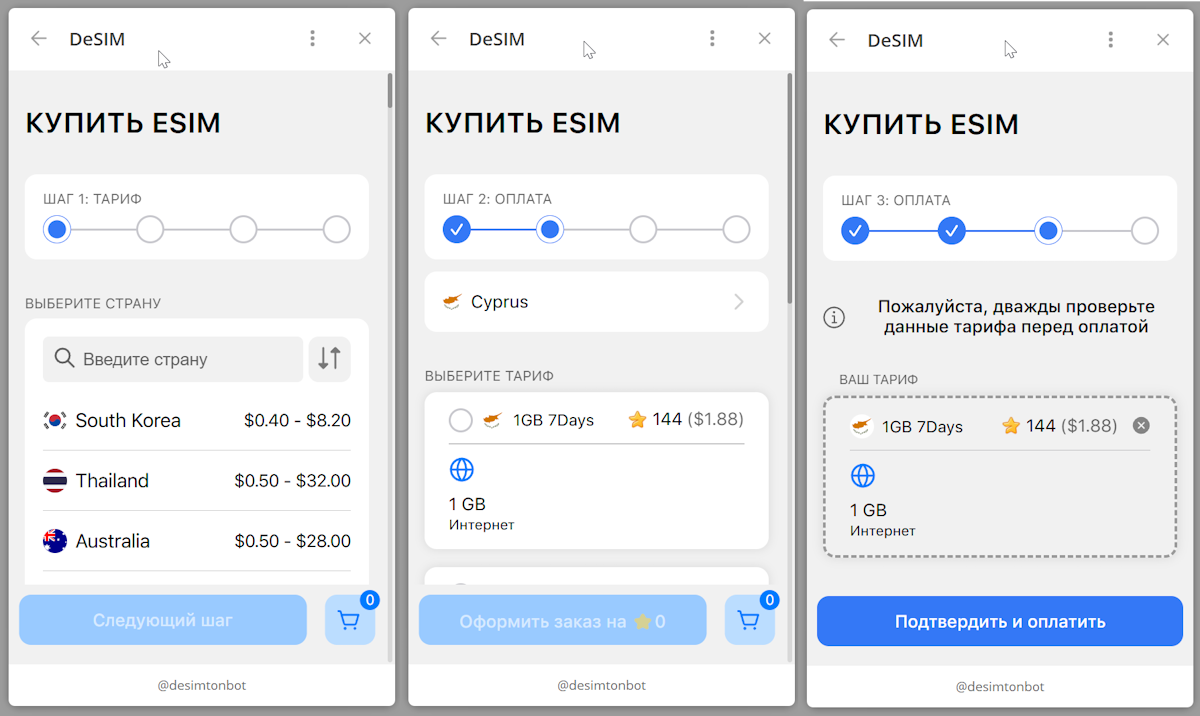
To activate your eSIM data plan, start by scanning the provider’s QR code for instant eSIM activation using your phone’s camera. This directs you to download the profile directly onto your device. Alternatively, use the provider’s app to browse and purchase packages, then tap “Install eSIM.” Data packages become active immediately after installation. The app confirms your new data allowance, and you can switch between plans without needing a physical SIM. This method bypasses manual setup, ensuring a seamless, secure connection within minutes.
Switching Between Active Plans Without Physical Cards
Switching between active plans without physical cards relies on the device’s built-in eSIM manager. To change profiles, navigate to the mobile network settings and select the dormant eSIM you wish to activate. The process typically involves a clear sequence:
- Open the settings menu for cellular or mobile data.
- Tap the primary line currently active and disable it.
- Select the secondary eSIM profile and toggle it to “turn on this line.”
This digital switching mechanism avoids any SIM tray manipulation, allowing instantaneous plan changes. Only one eSIM profile can handle active data at a time, though dual standby remains available for calls. Ensure the target plan has sufficient balance before the toggle completes.
Comparing Prepaid and Subscription-Based Connectivity Options
When choosing an eSIM data plan, the core trade-off is control versus convenience. Prepaid options let you purchase a fixed data bucket, like 5GB for 30 days, offering complete budget certainty and zero commitment—ideal for short trips or testing a local network. Subscription-based plans, conversely, auto-renew monthly and often bundle perks like global roaming pools or unlimited throttled data, which suits frequent travelers who need constant connectivity without manual top-ups. The question isn’t which is better, but what fits your rhythm: Do you value the flexibility to switch carriers instantly and never waste money on unused data? Then prepaid is your tool. Do you prefer the simplicity of a single, predictable bill that just works across countries? Then a subscription is your companion. The practical difference is your relationship with data management—active versus passive.
One-Time Packages for Quick Trips and Layovers
For quick trips or layovers, one-time eSIM data packages offer immediate, no-commitment connectivity. You purchase a specific data allowance (e.g., 1GB for 7 days) that activates only upon arrival, eliminating roaming fees. Unlike subscriptions, there is no auto-renewal, preventing unwanted charges. The process follows a clear sequence:
- Select a package matching your destination and trip length.
- Pay upfront and receive a QR code or activation code via email.
- Scan the code with your phone’s eSIM settings before travel.
- Use data immediately upon landing; the package expires automatically at the set term’s end.
This structure suits travelers who need immediate, temporary data without managing a recurring plan.
Monthly or Annual Subscriptions for Frequent Travelers

For frequent travelers, locking in a monthly or annual subscription offers predictable connectivity without the hassle of purchasing a new eSIM data plan for every trip. These subscriptions typically provide a fixed data allowance roaming across multiple countries, ensuring you stay online from the moment you land. You avoid fluctuating daily rates and the risk of running out of data unexpectedly. An annual plan, in particular, often slashes the per-gigabyte cost compared to short-term prepaid options, making it the most economical choice for those traveling several times a year. This set-and-forget approach streamlines your travel budget and guarantees consistent access.
Monthly or annual subscriptions eliminate trip-by-trip purchases, delivering consistent coverage and lower costs for frequent travelers.
Top-Up and Rollover Features Across Different Providers
When comparing eSIM data plans, top-up and rollover features across different providers vary drastically. Some carriers, like Airalo, offer instant top-ups through their app but rarely allow unused data to roll over after the plan expires. Others, such as Holafly, focus on unlimited data without any rollover at all. Conversely, regional players like Ubigi permit partial rollover if you manually renew before the expiry date. This means your leftover gigabytes either vanish or accumulate, depending strictly on the provider’s policy. Before purchasing, always check whether your chosen network permits stacking unused data or forces a monthly reset—this directly affects your long-term value.
- Instant top-up portals differ: some providers send new QR codes, others auto-activate within seconds.
- Rollover windows may be strict, requiring manual renewal within 24 hours before expiry to retain data.
- A few carriers impose a maximum data cap for rollover storage, limiting how much surplus you can bank.
- Prepaid eSIMs typically zero out leftover data; subscription plans are more likely to offer monthly rollover.
Common Mistakes When Using a Remote SIM Service
A traveler once bought an eSIM data plan but forgot to disable their old physical SIM in the phone’s settings, causing random roaming charges when the phone switched networks. Another common stumble was installing the eSIM before leaving home, only for it to activate immediately and burn through the data plan before the trip even started. A friend assumed tethering was included, but their plan didn’t allow it, so they ran out of data in the first hour.
Always double-check that your eSIM is the default for data and that you’ve turned off automatic app updates.
These small oversights turned a simple data plan into a costly hassle.
Overlooking Fine Print After Purchase
Overlooking fine print after purchasing an eSIM data plan often leads to unexpected costs or service interruptions. Users frequently miss post-purchase activation timelines, which may trigger automatic fees if not used within a specific window. The listed validity period might exclude dormant days, meaning the clock starts upon installation rather than first use. Key details to verify immediately include:
- Whether the data cap applies to total usage or resets on a billing cycle.
- If any background data consumption—like system updates—is excluded from the plan’s allowance.
- Whether throttling or full cutoff occurs after exceeding the limit, as some plans block rather than slow speed.
Failing to confirm these clauses can turn a budget plan into an unexpected liability.
Forgetting to Deactivate Unused Profiles
A critical oversight in managing an eSIM data plan is forgetting to deactivate unused profiles. Each dormant profile you leave active continues to occupy a slot in your device’s eSIM memory, potentially preventing you from installing a new plan when traveling. Furthermore, unused profiles can still auto-connect to their home network in low-signal zones, triggering unintentional data roaming fees or depleting a prepaid balance for no benefit. Always verify your active profile list before adding a new plan and delete any stale entries immediately after switching back to your primary SIM.
Relying Solely on Unverified Third-Party Sellers
Relying solely on unverified third-party sellers for your eSIM data plan often leads to a nightmare of broken connections. These vendors frequently sell profiles with no guaranteed network access, leaving you unable to activate the service upon arrival. You risk buying a plan that has already expired or belongs to a different region, and unverified eSIM sellers typically offer zero customer support when things go wrong. A misstep like this can strand you without https://baztel.co/esim-plans/esim-uk data during critical travel moments. Always prioritize buying from the official carrier or a platform with proven reliability to ensure your plan works as promised.
Future Trends in Flexible and Global Mobile Connectivity
The future of flexible and global mobile connectivity is being reshaped by the intelligent automation of eSIM data plans. Users will soon experience plans that automatically activate and switch between local network profiles based on real-time location and data usage patterns, eliminating manual downloads and setup. A key development is the integration of AI-driven plan optimization, where the device predicts your data needs and purchases the most cost-effective temporary bundle. This leads to dynamic, pay-per-use billing that adjusts seamlessly across borders.
This shift means your device will independently manage connectivity, selecting the optimal network and pricing tier for each country you visit without any user intervention.
Expect future eSIMs to offer adaptive speed tiers, temporarily boosting bandwidth for critical tasks before returning to a standard rate, all managed within a single, unified digital subscription.
Integration of Multi-Network Switching and AI Optimization
The integration of multi-network switching and AI optimization within eSIM data plans allows for seamless, real-time carrier selection based on current network performance. AI algorithms analyze factors like signal strength, latency, and congestion to automatically shift connectivity without user intervention. This ensures consistent data speeds and reliability, particularly during travel or in areas with fluctuating coverage. The core benefit is automated network intelligence, which proactively manages switching to prioritize the best available connection, reducing buffering and dropped signals. User devices no longer require manual SIM swapping or plane mode toggling, as the eSIM profile interacts with the AI to execute these adjustments transparently during active data sessions.
Expansion of Coverage in Remote and Rural Areas
The expansion of coverage in remote and rural areas directly enhances the utility of an esim data plan by enabling connectivity where traditional SIM roaming fails. Travelers now leverage agreements between local tower operators and virtual network providers to latch onto low-frequency bands that penetrate dense terrain. To secure a signal in these locations, users should follow this sequence:
- Select an esim plan explicitly listing remote area coverage partners.
- Download the profile before departure to avoid weak-signal download failures.
- Manually select a network if the auto-connection defaults to a stronger, urban-focused tower that lacks range.
This ensures consistent data access on trails, farms, or island interiors, bypassing the dead zones typical of standard carriers.
Potential Impact on Traditional Roaming and Local Carriers
As eSIM data plans gain traction, traditional roaming will face obsolescence for savvy travelers who bypass carrier-branded packages entirely. Local carriers may see a shift in revenue streams as users opt for flexible, prepaid eSIM profiles instead of purchasing physical SIMs at airports or retail stores. This could paradoxically push some regional operators to offer more competitive digital plans to retain a slice of the market. The direct impact is that network selection shifts from a static, contract-bound choice to a dynamic, real-time decision, empowering users to switch local providers instantly without penalty. The central shift is toward carrier-agnostic network hopping, where users prioritize software flexibility over loyalty to a legacy provider.